





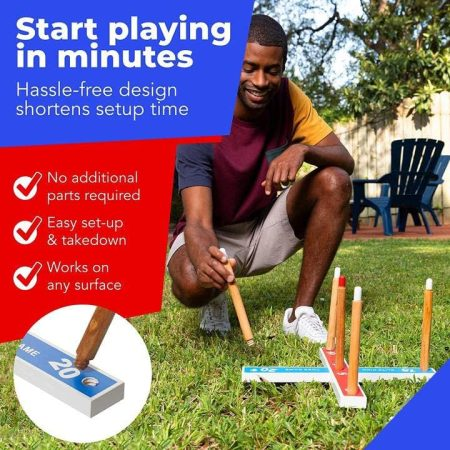
A toy does not need a screen, speaker, or flashing panel to hold attention. Children often stay engaged longest when they control the story, rules, and purpose of the materials in front of them. That is the appeal of imaginative kids toys that can become something different each time they are used.
The TopTrendBox Kids collection provides a place to compare toys and child-focused products. While browsing kids’ toys for sale, we should look beyond the number of features and ask what the child can decide, build, move, describe, or change.
Open-Ended Toys Give Ideas Room to Grow
Blocks, cardboard, magnetic pieces, play dough, scarves, figures, and loose parts do not prescribe one correct result. A block can be a wall, phone, bridge, bed, or piece of food depending on the game. That flexibility allows the material to grow with the child’s language and planning skills.
The American Academy of Pediatrics explains that play supports planning, organization, social connection, and emotional regulation in its overview of the power of play. We can strengthen those benefits by leaving time for children to direct the activity instead of correcting every unconventional use.
Open-ended does not mean unstructured or unsafe. Materials still need age-appropriate sizing, secure construction, non-toxic finishes, and supervision suited to the child. The adult can prepare a safe setting, observe, and add a prompt only when play has stalled.
Adults can extend open-ended play without taking control of it. A simple question about what a block structure represents or where a toy vehicle is traveling can invite a longer story.
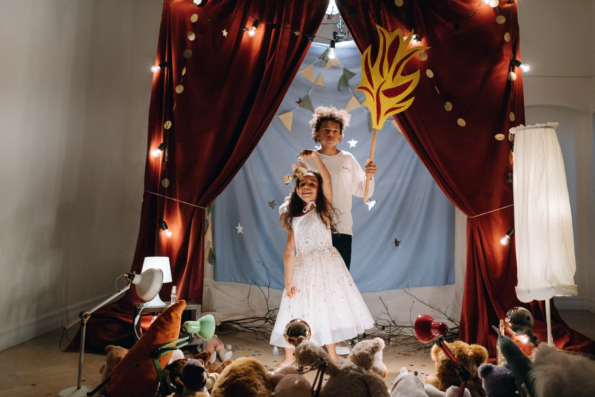
Offering a cloth, cardboard tube, paper, or container may create a new possibility without prescribing one correct result. The strongest prompt often adds a small spark and then leaves the child free to decide what happens next.
Pretend Play Builds Stories and Social Skills
Toy food, dolls, animals, vehicles, dress-up pieces, small houses, and ordinary household objects can launch long stories. Children practice naming, sequencing, negotiating, and taking another person’s perspective while deciding what happens next.
The AAP notes in its pretend play guidance that imaginative scenarios help children practice cooperation, turn-taking, communication, and different roles. Adults can participate without taking control by accepting the assigned role and asking brief questions that extend the child’s idea.
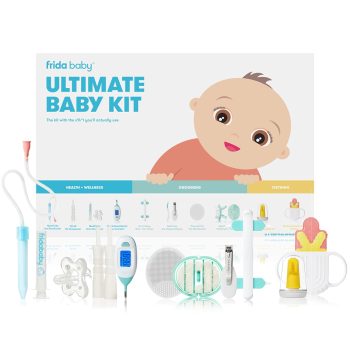
When looking at baby toys for sale for younger children, we can choose simple items that support grasping, cause and effect, object permanence, and shared interaction. As children grow, the same preference for flexible use can guide choices with figures, play sets, costumes, and construction materials.
Books and real household routines can feed pretend play. After reading a story, children may recreate a journey, care for a toy animal, build a shop, or invent a different ending.
Adults can model useful words and social exchanges, then step back so children practice taking turns, explaining ideas, and resolving small disagreements. The play remains enjoyable while language and cooperation develop through a purpose the child understands.
Building and Art Turn Hands Into Learning Tools
Building activities ask children to translate an idea into a physical result. A tower falls, a bridge bends, or a wheel sticks, and the child changes the plan. That cycle of attempt, feedback, and revision builds patience and practical problem-solving.
Art materials create a similar process without requiring a realistic final picture. Crayons, washable paint, paper, tape, child-safe scissors, clay, and recycled materials let children explore texture, shape, color, and movement. The activity is richer when adults comment on choices and effort rather than judging whether the result looks correct.
The National Association for the Education of Young Children describes cognitive, physical, vocabulary, social, and literacy learning in its guide to what children learn through play. We can use that wider view to value the conversation and experimentation, not only the finished object.
Materials should be easy to reach, use, and put away. A shallow tray with a small selection of crayons, paper, blocks, or modeling material can invite more independent play than an overfilled container. Clear limits protect furniture and make cleanup predictable. We can display a finished creation, photograph a temporary structure, or ask the child to explain it, showing that effort and ideas matter even when the result is not permanent.
The Right Amount of Challenge Keeps Play Engaging
A toy that is too simple may be ignored, while one that is far beyond the child’s current skills can create frustration. The useful middle ground offers a visible goal, several ways to attempt it, and enough difficulty to reward persistence.
Age labels provide a safety and development reference, but observation gives us additional information. We can watch whether the child repeats the same easy action, gives up immediately, seeks help, or invents a new purpose. A small prompt or a different arrangement may renew interest without replacing the toy.
We should also avoid turning every play session into a lesson. Children need room to be silly, repeat an action, abandon a plan, and create rules that make sense only inside the game. Imagination grows when the result is not constantly evaluated.
Rotate Toys Instead of Constantly Adding More
Too many visible options can make it difficult to settle into one activity. A toy rotation keeps a smaller selection accessible while the rest is stored. After a few weeks, familiar materials can return with renewed interest.
We can rotate by type rather than replacing everything at once. Keep one building option, one pretend-play set, books, art materials, and an active game available, then change selected items. This preserves choice without allowing the room to become visually overwhelming.
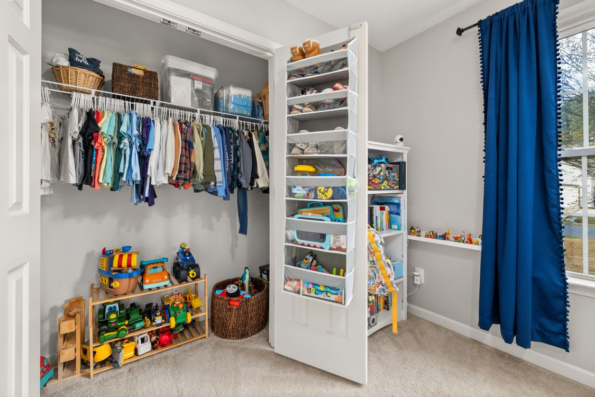
Shoppers searching for screen-free toys for children can also consider durability and combination potential. A toy that works with blocks, figures, art supplies, or outdoor play may support more stories than a product with one fixed sequence.
Protect Time for Imagination
Screen-free play works best when children have time, safe materials, and permission to lead. Open-ended toys, pretend props, building pieces, art supplies, and a manageable rotation can support longer and more varied play without constant adult entertainment.
TopTrendBox features toy listings and practical content for families comparing child-focused products. Our guide to interactive toys that encourage creativity adds ideas for hands-on play, while creative toys available online should always be assessed for age suitability, construction, and the kind of choices they give the child.