











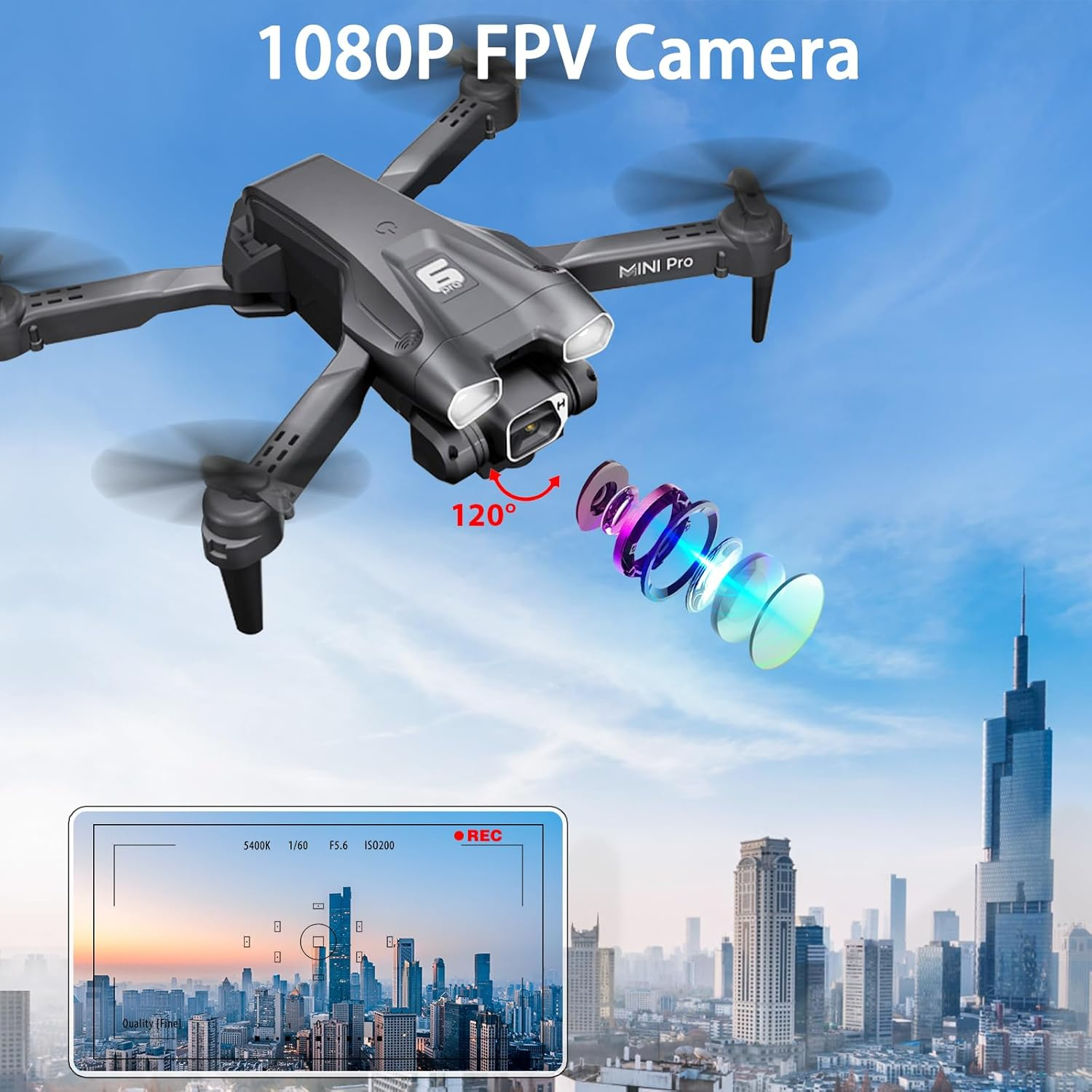
Affordable does not have to mean disposable, but a low price can hide compromises that become obvious only after the first few flights. We should compare the complete flying experience, not the largest number printed on the box. That is especially true while researching budget GPS drones online.
The TopTrendBox Electronics category offers a starting point for technology shopping. Listings for auto-return drones for sale still need careful reading because the phrase can describe very different GPS systems, triggers, landing accuracy, and obstacle limitations.
Define Affordable by Total Value, Not Price Alone
The purchase price is only one part of drone ownership. We may also need spare propellers, batteries, a charger, a carrying case, memory cards, registration, and replacement parts. An inexpensive model with unavailable batteries or fragile arms can cost more over time than a slightly higher-priced kit with support.
Value also depends on the job. A beginner who wants to learn orientation and capture casual clips does not need the same camera system as a traveler producing stabilized footage. Paying for unused features is wasteful, but buying below the minimum needed for the goal produces the same result.
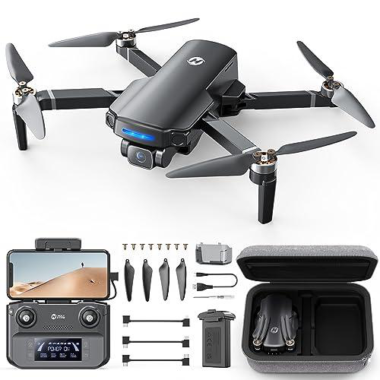
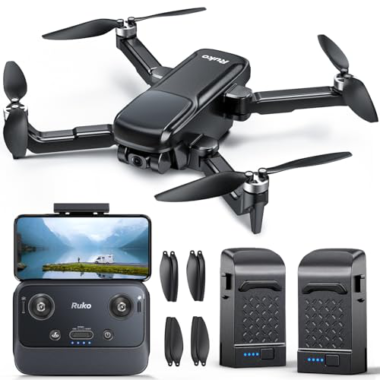
A clear comparison should list total kit contents, warranty, parts availability, app requirements, controller type, and realistic use case. We should be cautious with copied descriptions that promise professional performance without explaining the hardware behind it.
Parts and support can change the real cost within the first months. Replacement propellers, batteries, charging cables, controller sticks, and guards should be available at reasonable prices. A model that becomes unusable after one minor break is not economical, even if its purchase price was low. We should also check return terms, warranty coverage, manual quality, and whether the app receives current updates before treating a discount as genuine value.
Auto Return Depends on More Than One Feature
Return-to-home normally relies on a recorded launch point, GPS reception, battery power, and programmed behavior. Before takeoff, we should confirm that the home point has updated and that the return altitude clears nearby trees, roofs, poles, and terrain.
Signal-loss return and low-battery return may behave differently. Some drones climb first, some fly directly back, and some land wherever they are when power becomes critical. A pilot needs to know whether the return can be paused or redirected and whether the aircraft has obstacle sensing.
The FAA provides current guidance on where drones may fly, including airspace restrictions and access to B4UFLY services. A return feature cannot make an unlawful launch location acceptable, so location checks belong in every budget calculation.
Return behavior should be practiced before the drone is sent far away. In a clear area, we can confirm that the home point is correct, observe the route and landing accuracy, and learn which control restores manual flight. The return altitude must account for nearby trees, roofs, and structures without exceeding legal limits. Testing turns an unfamiliar emergency feature into a process the pilot can recognize and manage calmly.
Camera and Flight Stability Need Balance
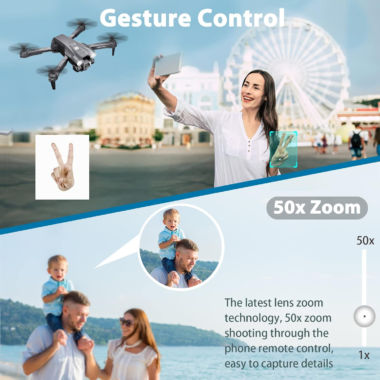
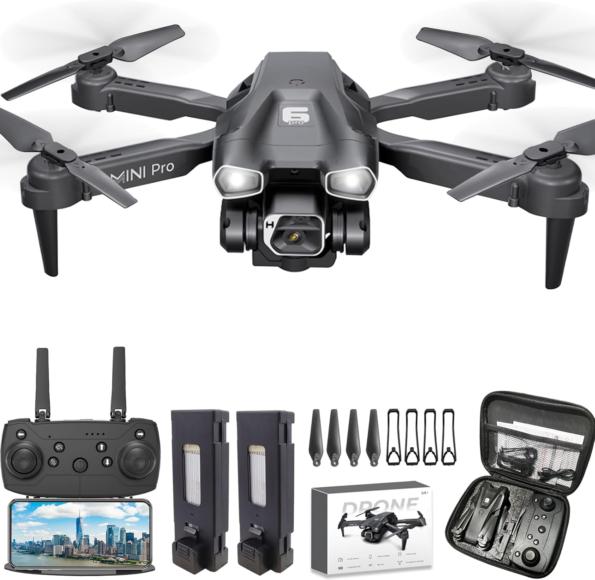
Camera resolution is useful only when the drone can hold a steady position and the footage is recorded at a suitable quality. Wind resistance, gimbal design, electronic stabilization, lens angle, bitrate, and vibration control all influence the final image.
A lower-cost aircraft may offer an excellent learning platform without cinematic footage. That can still be good value if the product page describes it honestly. We should distinguish between a camera used for basic framing, a camera intended for social clips, and a stabilized system built for detailed photography.
When comparing GPS drones for sale, we can look for sample files, unedited footage, clear gimbal specifications, image storage details, and wind guidance. A polished promotional video may have been recorded under conditions that do not represent ordinary use.
Live video quality matters separately from recorded resolution. A delayed or frequently interrupted feed makes framing difficult and can tempt a pilot to rely on a screen when direct visual awareness is needed.
We should compare transmission method, expected usable distance, phone compatibility, gimbal or electronic stabilization, and how clearly the app shows recording status. Stable control and a dependable view usually produce better beginner footage than a high resolution label alone.
Battery Claims Require a Closer Look
A listed flight time often reflects calm air, a healthy battery, moderate movement, and a landing close to the minimum reserve. Normal flights may be shorter. We should plan to return with enough power to handle wind, positioning, and an unexpected delay.
Multiple batteries extend a session, but they add charging, cooling, inspection, and storage responsibilities. Packs should not be used when swollen, damaged, overheated, or behaving unusually. Manufacturer instructions should guide charging location and storage level.
The FAA explains current Remote ID requirements and registration steps for affected aircraft. Remote ID capability, serial numbers, and registration duties can influence which model provides the best total value, especially when two products have similar flight specifications.
Charging several batteries also takes planning. A hub may charge packs one after another rather than at the same time, so the total turnaround can be longer than expected. Batteries should cool before charging and should not be left in a hot car or stored in a damaged state. A short written rotation helps us use packs evenly and identify one that begins losing capacity earlier than the others.
A Budget Drone Still Needs a Safety Checklist
Before every flight, we can inspect propellers and arms, confirm battery security, check the controller and app, verify GPS status, review the home point, assess weather, and scan the area for people, animals, wires, trees, vehicles, and aircraft.
Recreational pilots in the United States must follow operating rules that include keeping the drone within visual line of sight and yielding to other aircraft. The FAA summarizes these duties on its recreational flyers page. Those rules apply regardless of whether the aircraft is premium or inexpensive.
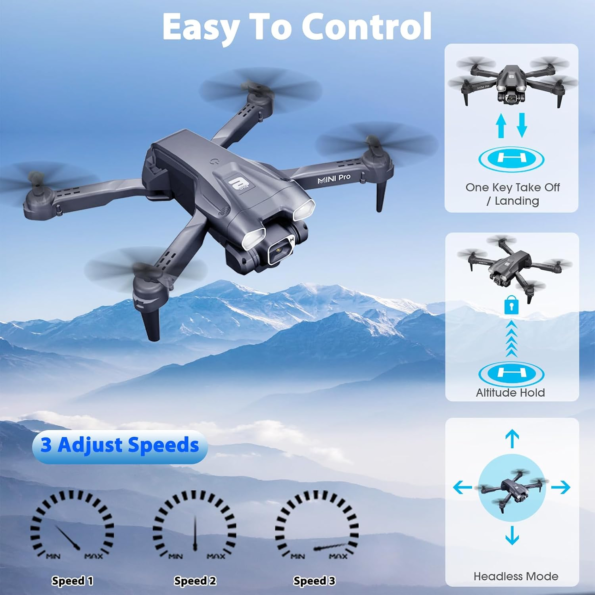
Shoppers planning to buy GPS drones with a camera should also budget for practice. Slow low-altitude flights in a clear open area teach orientation, braking distance, return behavior, and battery warnings before the drone is taken near scenery that is difficult to recover from.
Save Money Without Buying Blind
A capable affordable drone combines predictable GPS behavior, understandable return settings, stable control, adequate battery support, and a camera that matches realistic expectations. Low price is useful only when the aircraft can be operated safely and maintained after purchase.
TopTrendBox publishes product content and category pages for shoppers comparing consumer technology. Our drone and adventure travel guide shows how aerial tools can support exploration, while GPS drones for beginners should be judged by training value and control clarity before advanced modes.