









Buying a first drone is exciting because even a compact aircraft can reveal an entirely new point of view. It is also easy to focus on resolution, range, and automated modes before learning what safe, reliable ownership requires. Our search for GPS drones for beginners should begin with rules, control quality, and predictable recovery features.
The TopTrendBox Electronics collection provides a place to compare technology products, but specifications need interpretation. Before we buy GPS drones with a camera, we should decide where the aircraft will be flown, what footage is expected, and how much practice the pilot can give it.
Learn the Rules Before Comparing Specs
Drone rules depend on location and purpose. In the United States, the Federal Aviation Administration separates recreational flying from operations conducted for work or another non-recreational purpose. The FAA getting started page directs new pilots to the correct rules, registration information, safety test, and airspace resources.
Recreational flyers are required to complete the Recreational UAS Safety Test and keep proof of completion while flying. The FAA provides the current list of approved test administrators on its TRUST information page. The test is free, and it gives beginners a basic framework for responsible operation.
Weight affects registration duties, while location affects airspace permission. We should also check local park, property, privacy, and takeoff restrictions. A drone that is easy to buy may not be legal to launch from every attractive viewpoint.
The intended flying location should shape the purchase before range claims do. A large open practice area is more forgiving than a narrow garden surrounded by buildings, trees, and power lines.
We should confirm who controls the property, whether takeoff is allowed, how close other people may be, and where the drone could land safely if the flight ends early. These practical limits often make a stable, modest aircraft more suitable than a faster model with a longer advertised reach.
GPS and Auto Return Need to Work Together
GPS can help a drone hold position, record a home point, follow a route, and return toward its launch area. These functions are valuable, but they do not remove the need to read the manual and observe the status screen before takeoff.
A reliable return-to-home process depends on a recorded home point, sufficient satellite reception, suitable return altitude, remaining battery, and a clear route. Some entry-level aircraft lack obstacle avoidance, so an automatic return path can still meet a tree, wire, wall, or roof.
Listings for GPS drones for sale should explain what triggers the return function, whether the pilot can cancel it, how accurately the aircraft lands, and what happens after signal loss. A vague return feature should not be treated as a guarantee that a lost drone will always come back.
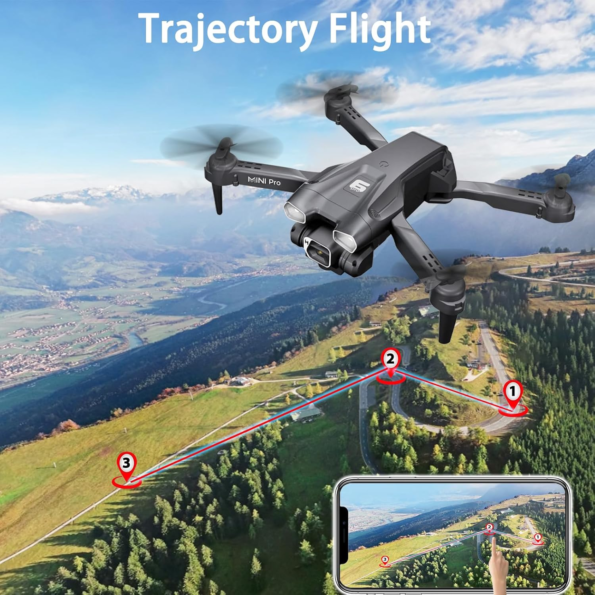
A beginner should test recovery settings in a clear area at a low-risk distance. That practice includes checking the home-point message, setting a return altitude above nearby obstacles, learning how the controller displays signal loss, and knowing how to interrupt an automatic return if conditions change.
Compass or positioning warnings should never be dismissed simply because the aircraft still appears to respond. Landing and taking off again is safer than hoping an uncertain navigation system will correct itself in the air.
Camera Quality Means More Than Resolution
A 4K label does not describe the entire image. Sensor size, lens quality, stabilization, bitrate, frame rate, exposure control, and the way footage is recorded all affect the result. Some drones save lower-quality files to a phone even when the camera specification sounds impressive.
A mechanical gimbal usually produces smoother footage than electronic stabilization alone, especially during turns or in light wind. An adjustable camera angle also makes composition easier. For still photographs, we should check image format and whether exposure can be locked or adjusted.
A first-time buyer should match expectations to the aircraft category. A small beginner model can be excellent for learning orientation and basic framing without replacing a dedicated photography drone.
Product pages should state limitations clearly rather than suggesting that every camera drone delivers professional work.
Storage and workflow also affect whether the camera is enjoyable to use. We should check the supported memory-card type, maximum capacity, file-transfer method, and whether full-quality footage is saved onboard.
A spare card and a routine for backing up files prevent a good flight from being lost to full storage or an accidental overwrite. Clear controls for starting and stopping recording are more useful than an impressive specification that is difficult to confirm during flight.
Battery, Controller, and App Design Affect Every Flight
Advertised flight time is often measured under favorable conditions. Wind, cold, aggressive movement, video recording, return maneuvers, and battery age can shorten it. We should leave a sensible reserve rather than flying until the last possible percentage.
The controller should feel clear in the hands, show important warnings, and maintain a stable connection within the expected practice area. Phone clamps, cables, and app requirements deserve attention because a weak mount or incompatible device can make an otherwise capable drone frustrating.
Battery charging needs its own routine. We should use approved equipment, inspect packs for swelling or damage, allow them to cool after flight, and store them according to manufacturer directions. Spare batteries add useful practice time only when they are managed carefully.
Use a First-Buyer Checklist to Avoid Regret
A practical checklist should cover total takeoff weight, registration requirements, GPS status, return behavior, obstacle sensing, wind resistance, camera stabilization, replacement propellers, battery availability, controller range, app compatibility, and warranty support.
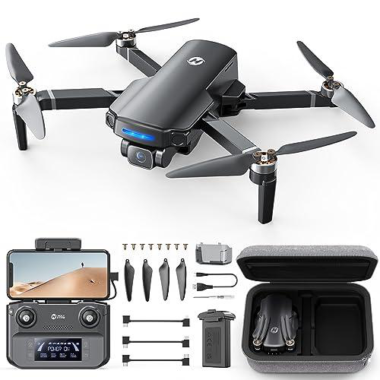
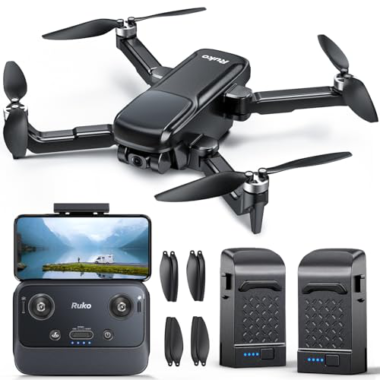
We should also compare the full kit. A carrying case, spare propellers, extra battery, charging hub, and readable manual may be more valuable than a headline feature. Listings for auto-return drones for sale are easier to judge when return settings and limitations are described rather than reduced to a badge.
The FAA explains who must register and what information is required on its drone registration page. Checking this before purchase prevents confusion and helps us choose an aircraft that suits the way it will actually be used.
Choose a Drone That Builds Confidence
A good first drone should make safe practice easier. Predictable controls, visible status information, sensible battery management, and honest camera specifications matter more than a long list of modes that a beginner cannot yet use.
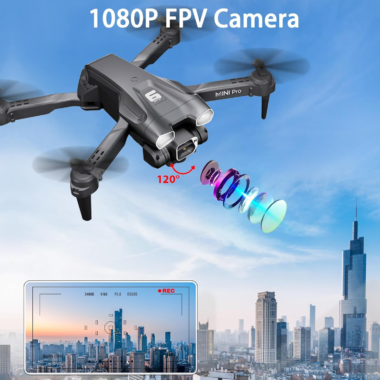
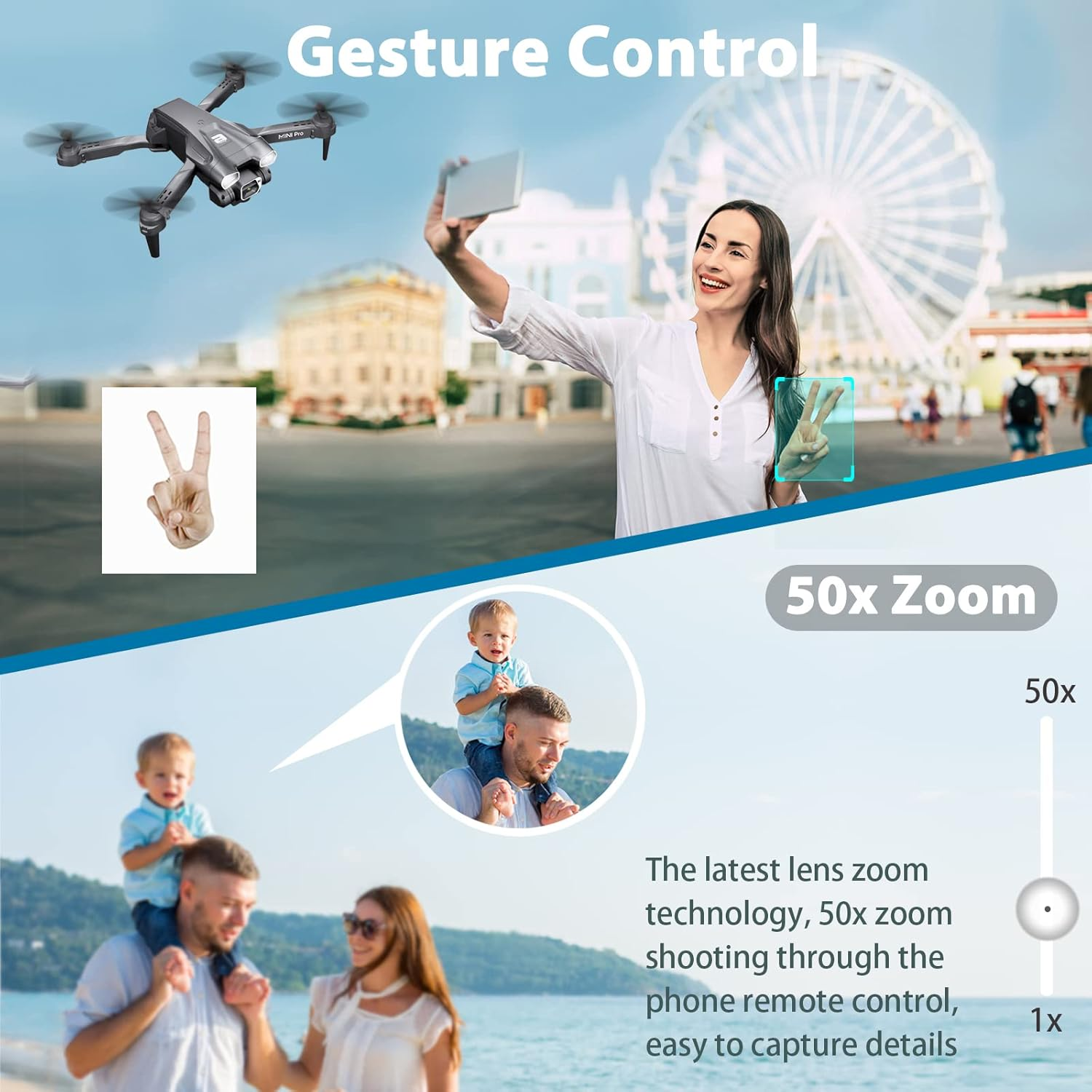
TopTrendBox presents electronics products and buying guides for shoppers comparing entry-level technology. Our beginner camera-drone listing illustrates the type of compact model used for basic flight practice, while the wider guide helps compare budget GPS drones online without treating every low-cost aircraft as equivalent.